
WHAT WE TREAT
Acupuncture for Pain Relief

A Natural, Holistic Approach to Pain Relief
Acupuncture has been used for thousands of years as a natural and holistic approach to relieving pain and restoring balance within the body. Today, it is one of the most widely used forms of complementary therapy for pain and can be used on its own or as part of an integrative treatment plan alongside physical therapy, chiropractic care, massage, medication, exercise, and other appropriate therapies.
At Acupuncture for Balanced Wellness, pain relief has been an important part of our Chicago acupuncture practice since 2008. Our experienced acupuncturists work with both acute and chronic pain, from back and neck pain to arthritis, headaches, joint pain, muscle tension, and injuries.
Rather than simply focusing on where it hurts, we take a whole-person approach to pain, considering the nature of the condition, how it developed, patterns of muscle tension and movement, lifestyle factors, stress, sleep, and other factors that may be contributing to your symptoms.
How Does Acupuncture Help Relieve Pain?
Acupuncture works through several interconnected mechanisms within the body. Modern research has helped identify physiological effects involving the nervous system, pain-processing pathways, circulation, muscles and connective tissues, and the body's own pain-relieving chemicals.
Activates the Body's Natural Pain-Relieving Systems
Acupuncture stimulates the body's natural pain-relieving mechanisms, including the release of endorphins and other neurochemicals involved in regulating pain. These natural painkillers can help decrease pain perception while also contributing to the sense of relaxation and well-being many patients experience during and after treatment.

Increases Circulation to Affected Areas
Acupuncture can increase local blood flow to treated areas. Improved circulation helps deliver oxygen and nutrients to muscles and surrounding tissues while supporting the body's natural healing and recovery processes. This can be particularly beneficial when pain is associated with an injury, muscle tightness, overuse, or restricted circulation.

Reduces Muscle Tension and Trigger Points
Muscle tightness, spasms, and trigger points frequently contribute to musculoskeletal pain. Acupuncture can help relax tight muscles, reduce areas of tension, and improve mobility. Needles can also be placed directly into tight or dysfunctional muscles when appropriate, helping release tension and restore healthier muscle function.
Influences Pain Signals in the Nervous System
Acupuncture interacts with the nervous system and can influence how pain signals are transmitted and processed. This is especially important with chronic pain, where the nervous system can become increasingly sensitive and continue producing a heightened pain response even after the original injury has healed.

Supports Relaxation and Nervous System Balance
Chronic pain, muscle tension, poor sleep, and stress often reinforce one another. Acupuncture can help calm the nervous system and promote relaxation, addressing both the physical experience of pain and some of the stress-related factors that can intensify it.
Pain Relief Through the Lens of Chinese Medicine
Traditional Chinese Medicine has viewed pain somewhat differently for thousands of years. According to Chinese medicine theory, pain often develops when the normal circulation of Qi and blood becomes restricted or imbalanced. This can occur following an injury or as a result of repetitive strain, tension, weakness, illness, or other underlying imbalances.
By selecting acupuncture points based on both the location of the pain and the individual's overall pattern, acupuncture is used to restore healthy circulation, release areas of stagnation, and bring the body back toward greater balance.
This is one of the reasons acupuncture is inherently individualized and holistic. Two people with the same diagnosis may receive very different treatments depending on how their symptoms present and what other factors are contributing to their condition.
Acute and Chronic Pain Conditions We Treat
Our Chicago acupuncturists work with a wide range of musculoskeletal and pain conditions. Acupuncture can be helpful for pain caused by injuries, repetitive strain, muscle tension, joint problems, degenerative changes, headaches, nerve irritation, and many chronic pain conditions.
Conditions we treat include:
Back, Neck & Joint Pain
- Back Pain & Low Back Pain
- Neck & Shoulder Pain
- Sciatica
- Knee Pain
- Hip Pain
- Arthritis & Joint Pain
- TMJ & Jaw Pain
Muscle, Tendon & Sports Injuries
- Muscle Tension & Spasms
- Muscle Strains & Sprains
- Tendinitis
- Frozen Shoulder & Rotator Cuff Problems
- Tennis Elbow & Golfer's Elbow
- Carpal Tunnel Syndrome
- Plantar Fasciitis
- Sports Injuries
Head, Nerve & Chronic Pain
- Migraines
- Tension Headaches
- Sinus Headaches
- Bell's Palsy
- Shingles / Postherpetic neuralgia
- Morton's Neuroma
- Fibromyalgia
- Post-Surgical Pain & Recovery
- Neuropathy
- Trigeminal Neuralgia
Explore our individual condition pages to learn more about how acupuncture can be used for specific types of pain.
Explore Conditions We Treat >
Our Approach to Acupuncture for Pain
There is no single acupuncture treatment for pain. A treatment that works well for one person's back pain may not be appropriate for another person's symptoms, even when they share the same diagnosis.
We begin by looking at where your pain is located, how it started, what aggravates or relieves it, how it affects your movement and daily activities, and whether there are other symptoms or health factors that may be contributing to the problem.
Your treatment may include acupuncture points near the painful area as well as points elsewhere on the body selected according to your individual presentation. Our goal is not simply to temporarily mask pain, but to address the patterns contributing to it and support better function and recovery.
Depending on your condition, we may combine acupuncture with additional therapies including electroacupuncture, cupping, gua sha, therapeutic bodywork, and heat therapy. These techniques allow us to tailor treatment to the individual rather than relying on a standardized protocol.
Electroacupuncture for Pain Relief
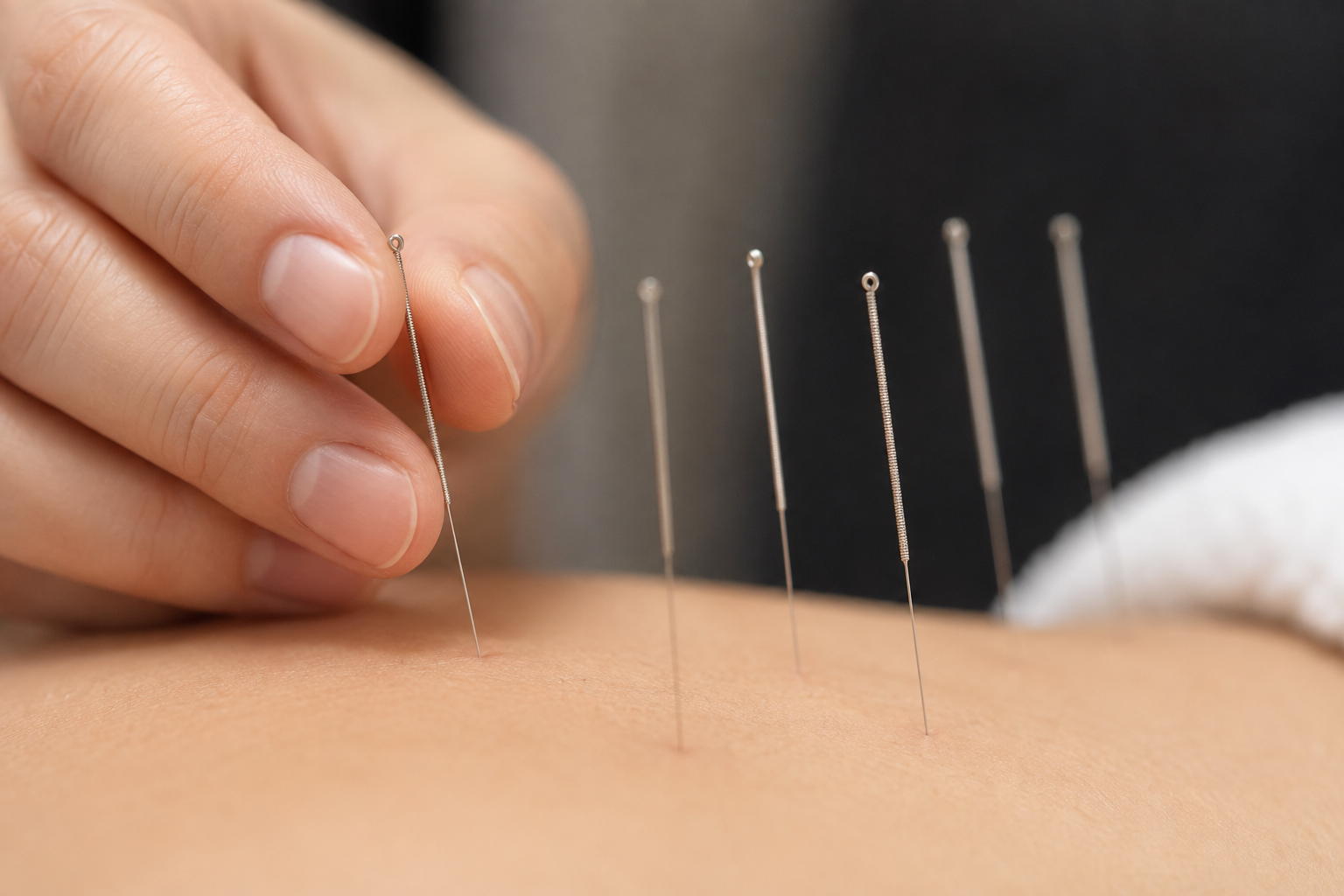
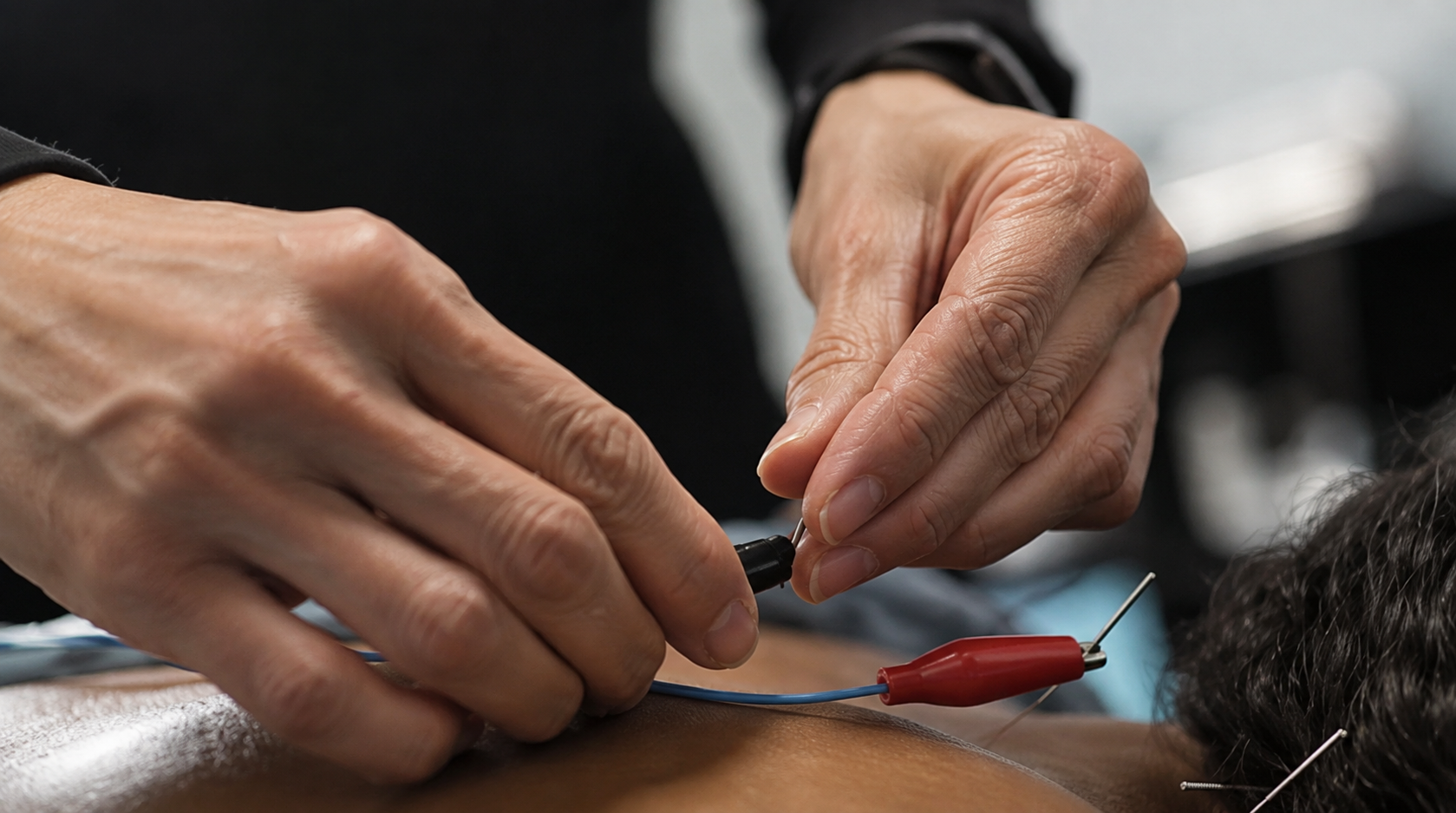
Electroacupuncture is one of the techniques we frequently incorporate when treating musculoskeletal pain. Small electrodes are attached to selected acupuncture needles and deliver a gentle, controlled electrical stimulation to the area.
This provides continuous stimulation of acupuncture points, muscles, and surrounding tissues and can be especially useful for persistent pain, muscle tension, injuries, and certain musculoskeletal conditions. The intensity is adjusted to each patient's comfort level and treatment needs.
Acupuncture as Part of an Integrative Approach to Pain
Acupuncture does not have to be an either-or choice. For many patients, it works well as a standalone therapy. For others, it becomes one part of a broader treatment plan.
Acupuncture can be incorporated alongside physical therapy, chiropractic care, massage, exercise, medical treatment, and other approaches when appropriate. Because different therapies address pain in different ways, an integrative approach can be particularly valuable for persistent or complex pain conditions.
Our goal is to help each patient find the combination of therapies that best supports pain relief, mobility, function, and long-term well-being.

What Does Research Say About Acupuncture for Pain?
Acupuncture has become one of the most extensively researched complementary therapies for pain. Clinical research has found benefits for a number of common pain conditions, including chronic low back pain, neck pain, osteoarthritis-related knee pain, headaches, and migraines.
Research also continues to expand our understanding of how acupuncture affects pain-processing pathways, neurochemical signaling, the nervous system, and local tissues. These findings provide a modern physiological framework for many of the therapeutic effects that acupuncture practitioners and patients have observed for generations.
As with any therapy, results vary according to the condition, its severity and duration, the individual's overall health, and other contributing factors. Your acupuncturist will recommend a treatment plan based on your individual needs and response to care.

How Many Acupuncture Treatments Will I Need?
The number and frequency of treatments depends on the type of pain, how long you have had it, its severity, and how your body responds to acupuncture.
Acute conditions and recent injuries may respond relatively quickly, while longstanding or complex chronic pain generally requires a series of treatments. Some patients begin noticing improvement within the first few visits, while others experience more gradual changes as treatment progresses.
As symptoms improve, treatments can usually be spaced farther apart. Your acupuncturist will continually evaluate your progress and adjust your treatment plan accordingly.
Experienced Acupuncture for Pain Relief in Chicago
At Acupuncture for Balanced Wellness, our licensed and board-certified acupuncturists have extensive experience treating both acute and chronic pain. Since 2008, we have helped patients throughout Chicago find natural solutions for back pain, neck pain, headaches, joint pain, injuries, muscle tension, and many other painful conditions.
Our Chicago Loop clinic offers individualized acupuncture in a comfortable, professional environment, with treatments designed around your specific condition, symptoms, and goals.
If pain is interfering with your work, sleep, exercise, mobility, or the activities you enjoy, acupuncture can provide a natural and holistic approach to helping you feel and function better.