by angieng67 | Jan 26, 2018 | Acupuncture, Clinic News
We are excited to share that Acupuncture for Balanced Wellness has been featured as an inspiring story in VoyageChicago Magazine. The article from VoyageChicago Magazine has been copied below. The original article can be viewed here http://voyagechicago.com/interview/meet-angie-ng-acupuncture-balanced-wellness-loop/.
Meet Angie Ng of Acupuncture for Balanced Wellness
Today we’d like to introduce you to Angie Ng.
Angie, let’s start with your story. We’d love to hear how you got started and how the journey has been so far.
I didn’t realize it, but my interest in Chinese Medicine began as a child growing up in a traditional Chinese household, where food and herbs were commonly used to address everyday ailments. My family members were always talking about the energetic properties of food, and how certain foods could be useful in alleviating discomforts like belly aches, toothaches, fever, and sniffles.
Despite having an early fascination with natural healing methods, the practical side of me decided that I should study business as an undergraduate and eventually join the corporate world, first working in banking and then in IT. While this provided a stable income, I never really felt fulfilled in my work, and I knew I had to make a change – I just didn’t know what. I spent over a decade sitting in cubicles and performing at mediocre levels at jobs I didn’t really enjoy. It wasn’t until I had my first acupuncture treatment that something clicked and I realized my calling.
I had always been a proponent of healthy living and a believer in the body’s innate ability to heal itself if given the right resources. I just never realized I could make a career out of this belief until I witnessed the power of acupuncture first hand. I started seeing an amazing acupuncturist for some chronic pain and stress I was experiencing.
My acupuncturist helped reduce my pain and calm my emotional stresses by painlessly and strategically inserting tiny needles to help stimulate the natural healing processes in my body. The treatments were relaxing, rejuvenating, effective, and had no side effects. I was hooked! Within months, I had enrolled myself in acupuncture school and began the long and arduous journey to becoming a Licensed Acupuncturist.
13 years later, I can say that I feel more fulfilled in my career than I have ever been. I recently moved my acupuncture office to a beautiful space in the Chicago Loop, where we help people with pain problems, fertility issues, stress, anxiety, and much more. We use not only acupuncture, but also adjunctive therapies like cupping, tuina, guasha, and herbal supplements, as well as dietary and lifestyle advice to naturally assist the body’s healing processes and restore balance back to the body.
Having come from a corporate background, I know all too well the struggles and stresses of balancing work and life that many of my patients experience. It brings me so much satisfaction to be able to help them in any way I can to feel better physically and emotionally.
We’re always bombarded by how great it is to pursue your passion, etc – but we’ve spoken with enough people to know that it’s not always easy. Overall, would you say things have been easy for you?
The road to becoming an acupuncturist was long and not always easy. Having a mortgage and other bills to pay, I continued to work full time while going to acupuncture school on nights and weekends. It was a very tiring 3 years. Additionally, while in acupuncture school, they focus on teaching you how to do acupuncture. What they don’t teach you is how to start and run a successful acupuncture practice.
My background in business and IT definitely came in handy here, but it was still a struggle nonetheless. Marketing, finding a good location and office space, negotiating a lease, hiring help, billing, budgeting – these are all things essential to running an acupuncture business but were barely mentioned in acupuncture school. Making the transition from full-time computer programmer to full-time business owner and acupuncturist was one of the most challenging things I have ever done, but also one of the most gratifying.
So let’s switch gears a bit and go into the Acupuncture for Balanced Wellness story. Tell us more about the business.
Acupuncture for Balanced Wellness is an acupuncture and wellness practice in the Chicago Loop. We treat a wide range of health concerns, but we most commonly provide treatments for pain problems, fertility issues, stress/anxiety, weight loss, and facial rejuvenation.
We truly understand the struggles and stresses of work/life balance, and we pride ourselves on providing safe, natural, holistic, and highly individualized treatments to our patients. Our office space provides a relaxing oasis, where people can receive acupuncture and other natural therapies to help restore health and balance back to their bodies, amidst the hustle and bustle of Downtown Chicago.
In addition to offering acupuncture services, we also offer other natural healing therapies at our wellness practice, like massage therapy, chiropractic services, and Muscle Activation Techniques (MAT).
Has luck played a meaningful role in your life and business?
It’s difficult to say what aspects of my life and business can be attributed to luck. You can say I was lucky to have a background in business and IT (specifically web development), and that those skills may have given me an advantage in starting a successful acupuncture practice. Many highly skilled acupuncturist have little or no business skills and subsequently have a very hard time starting and staying in business.
You could also say that I was lucky to be born ethnically Chinese so that I had exposure to the healing powers of Chinese Medicine from a very early age. Additionally, I was lucky to find a very good acupuncturist (Dr. Leon Chen) to give me my very first acupuncture treatment and inspire me to pursue a career in acupuncture. Whether these factors can be attributed fully to luck is questionable, but I do know they played a big role in leading me to a lifelong and rewarding career in acupuncture and holistic medicine. I do feel very lucky to be where I am today.
Contact Info:

by angieng67 | Dec 3, 2017 | Acupuncture, Massage and Body Work, Muscle Activation Techniques, Wellness and Nutrition
As we approach the holidays and the end of 2017, consider taking some time to take care of your own health and wellness. At our wellness center, we offer acupuncture as well as complementary natural therapies like therapeutic massage, Muscle Activation Techniques (MAT), and chiropractic care to help address many health concerns ranging from stress and anxiety, to aches and pains, to many chronic conditions.
With deductibles resetting in the new year, now is a good time to come in for that health tune up you’ve been meaning to come in for. Depending on your insurance plan, any of the services we offer could be covered by your insurance with little or no cost to you. For those whose insurance may not cover our services, take advantage of our affordable out of pocket rates. Also, consider giving the gift of wellness by purchasing a gift certificate for any of our services. To inquire about your insurance, book an appointment, or purchase a gift certificate, just give our office a call at 312-890-5553 or email ang@acubalancechicago.com.
Below is a brief summary of the services we offer at our Loop wellness center.
Acupuncture
We offer acupuncture services by our highly skilled and licensed acupuncturists, Angie Ng and Michael Jamlang. Our acupuncturists take time to understand each individual’s health concerns and tailor each treatment to effectively and naturally treat these issues using the time tested wisdom of acupuncture and Chinese Medicine. In additional to acupuncture, treatments may include electro-acupuncture, cupping, herbal therapy, and more. To read more about our acupuncture services, please visit www.acubalancechicago.com/services.html.
Our acupuncturists are experienced in treating a wide range of health conditions, including, pain problems, fertility issues, facial rejuvenation, digestive disorders, anxiety, addictions, and much more. To read more about what types of conditions we treat, please visit www.acubalancechicago.com/conditions.html.
Massage Therapy
Massage therapy is a great way to ease muscle tension and promote relaxation. Through the strategic manual manipulation of soft tissues, massage can help increase blood circulation, bring more nutrients to problem areas, and effectively treat pain problems. It can be a great adjunct to acupuncture treatments, or can be very beneficial on its own. Our licensed massage therapists are experienced with treating a wide range of issues using a variety of massage techniques including deep tissue massage, trigger point therapy, myofascial release, sports massage, Thai massage, and prenatal massage. Each session is individually tailored to a person’s specific needs and comfort levels.
Muscle Activation Techniques (MAT)
MAT is a unique manual therapy aimed at restoring muscle and joint balance. Unlike most therapeutic methods, Muscle Activation Techniques™ (MAT) looks at muscle tightness as a form of protection in the body. Weak or inhibited muscles can create the need for other muscles to tighten up in order to help stabilize the joints. MAT gets to the root of the pain or injury by addressing muscle weakness rather than muscle tightness. This helps to restore normal body alignment, thereby decreasing pain and reducing the risk of injury. MAT can give you a new lease on your active lifestyle, whether you are a pro athlete or weekend warrior. MAT can help you return to the golf course, tennis court, ski slopes, or athletic field with renewed strength and without pain. With MAT, athletes and active people of all ages can perform at a higher level without injury, allowing them to “stay in the game”.
Our MAT specialist is Ralph Klisiewicz, a certified personal trainer who has over 15 years of experience working with clients of all ages and fitness levels. He is certified through the National Academy of Sports and Medicine as a personal trainer and has completed the MAT Specialist Training Program. He is a certified MAT Specialist and has 10 years of experience in treating muscle and joint imbalances using this innovative therapy. He is passionate about fitness and helping people live a healthy pain free lifestyle.
Chiropractic Care
Chiropractic is a natural form of health care that uses spinal adjustments to correct misalignments and restore proper function to the spine and nervous system. Chiropractic doesn’t use drugs or surgery. Rather, a chiropractic spinal adjustment is the application of a precise force to a specific part of the spinal segment to help correct misalignments, permitting normal nerve transmission and assisting the body to recuperate on its own.
At our wellness center, we work side by side with Chicago Pain & Wellness, a highly rated provider of chiropractic services in the Chicago Loop. To find out more about chiropractic care, please visit www.chicagopainwell.com.
As always, we are very grateful for the opportunity to be a part of your journey to balanced wellness and wish you and your loved ones Happy Holidays.
by angieng67 | Sep 5, 2017 | Acupuncture, Pain
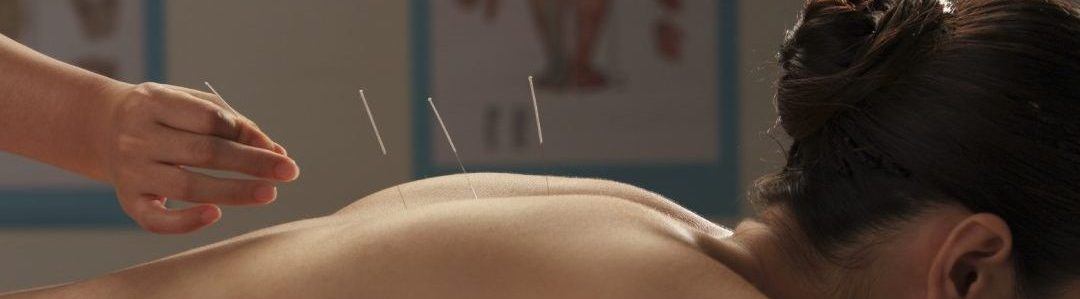
One reason for people to seek the services of an acupuncturist is for the treatment of pain. Up to half of the patients that visit us at the clinic come due to some musculoskeletal pain complaint, namely shoulder/neck pain, back pain, hand/feet pain and headaches. Patients come for 3 to 6 consecutive treatments and find their pain reduced enough for them to do their daily activity unhindered by the pain they originally felt. At which point, patients would only visit the clinic for maintenance sessions either every other week or once a month, occasionally increasing the frequency when needed.
Recent academic studies by the National Institute of Health (NIH)[1] and Journal of the American Medical Association (JAMA)[2] as well as popular publications such as the New York Times [3] all report on the benefits of acupuncture in cases of chronic pain. In these articles, and articles like it, scientists describe how acupuncture affects neural and hormonal reactions in the body to mediate pain in the body.
But how does acupuncture work to reduce pain in the Traditional Chinese Medicine sense? Simple: Acupuncture induces movement. In the two and a half millennia that Chinese medicine has been existing in some shape or form, the words ‘Proper Movement is Life’ underpins virtually all of health giving techniques that Chinese medicine has to offer. The fact that pain, and ultimately death, is a result of malignant non-movement (i.e. stagnation) is a core understanding of all Chinese medicine doctors through time.
Qi (‘Chee’) and Blood are two vital substances in the body that promotes health by its orderly movement and it is the stagnation of these substances that cause pain. In some cases, this stagnation can be likened to what western medicine ‘circulation issues’ causing numbness, tingling, cold hand/feet, muscle tension, fatigue and ultimately pain. As Qi and Blood have nourishing and warming effects, Chinese Medicine also puts weakness and non-vitality of the skin and limbs as symptoms of this issue.
Qi and Blood flows in an internal body system called meridians and collaterals. Meridians and collaterals are similar to the western idea of the ‘circulation system’, but far more than just being a passive system of tubes and vessels, the Chinese Medicine concept of meridians and collaterals is more vital and energetic. It is by observing this system that acupuncturists can diagnose disharmonies that occur deep within the body. And, it is also by observing this system that acupuncturists can treat disharmonies by inserting acupuncture needles to affect the body and move Qi and Blood. Meridians and collaterals serve both to diagnose and treat disharmonies in the body.
Ever wonder why an acupuncturist put some needles in your legs for your back pain or needles in your hands for shoulder pain? It is because the needles far from the pain sites are the in same ‘meridian’ or is complementary to the meridian that traverses your area of pain. It is through the documented research and work of philosophers and practitioners since the Han Dynasty (202 B.C to 220 AD) that allows for this deeper level of understanding on where to place needles to achieve benefits. Simply said, acupuncturists, in effect, influence the rate Qi and Blood that flow locally in this system by stimulating the area of pain with needles. And, through the understanding of channel flow and channel relationships, the local insertion of needles are enhanced by needles inserted in specific areas far away from a local area of pain.
Besides acupuncture, Chinese medicine practitioners have different methods to increase Qi and Blood flow in painful areas, such as Tui Na, Gua Sha, and Ba Guan Fa, commonly known as ‘cupping’. These accessory techniques complement acupuncture treatments in order to move Qi and Blood. These accessory techniques use differing characteristic qualities to promote the movement of Qi and Blood. Namely, Tui Na uses bodywork and compression of specific acupuncture points to stimulate the movement of Qi and Blood; Gua Sha uses scraping of the skin and the inherent function of the skin to disperse stagnation; And Cupping uses the suction of cups to dislodge deep seated Qi and Blood stagnation in order for the body to be able to regain Qi and Blood flow naturally.
Pain is a part of the human condition. It is a sign of the progress of time and change. Pain is also a way for your body to indicate disharmonies, which is inevitable in a system as complex the human body. Acupuncture provides a way to mediate pain and reduce its occurrence safely and effectively.
by Michael Jamlang
[1] https://nccih.nih.gov/health/acupuncture/introduction
[2] http://jamanetwork.com/journals/jamainternalmedicine/fullarticle/1357513
[3] https://well.blogs.nytimes.com/2012/09/11/acupuncture-provides-true-pain-relief-in-study/
by angieng67 | Aug 26, 2017 | Acupuncture, Stress and Anxiety, Wellness and Nutrition
Stress and Modern Living
As many of us juggle work, family, and personal obligations, stress becomes commonly accepted as a factor of day to day life. Any time we spend dealing with demanding or adverse circumstances, we enter a state of mental, emotional, and/or physical strain. When we are healthy and the stress is short-lived, we are usually able to recover from stressful situations relatively unscathed. However, if stress and anxiety are prolonged and/or coupled with other emotional or physical disruptions, they begin to have serious consequences on our overall well-being.
Stress served as an important survival trait during our hunter gatherer days. It affects the sympathetic nervous system, which initiates the instinctive “fight or flight” response when we are met with a dangerous or stressful situation. On a physical level, this response causes some dramatic temporary physical changes, such as increased heart rate, increased blood circulation, increased oxygen intake, dilation of pupils, and shutdown of digestive functions – all designed to enable us to either flee or combat a perceived danger for survival.
Unfortunately, this response by our sympathetic nervous system does not fit as well into modern living, where most of our stressful situations are met at home or at work. Unlike in our cave-dwelling days, stressful situations tend to be more long-term and cannot usually be resolved by fleeing or fighting. As a result, levels of cortisol, the body’s natural stress hormone, become elevated, resulting in high blood pressure, increased abdominal fat, increased blood sugar, lowered immune function, and decreased cognitive performance. Over time, this can cause long-term disruptions to our physical and mental health such as fatigue, depression, digestive issues, sleep problems, weight gain, fertility issues, headaches, and other pain problems. Emotionally, the body reacts to stress with feelings of anxiety, uneasiness, and nervousness.
Acupuncture for Stress and Anxiety
In Traditional Chinese Medicine, physical and emotional imbalances are closely linked in the sense that one type of imbalance can cause or exacerbate the other. Prolonged disruptive emotions like stress and anxiety cause obstructions in the natural flow of energy in the body, which can cause pain and illness. For example, chronic stress often manifests itself with muscle tension and pain in the upper back and neck, often also leading to headaches. Physical pain often leads to even more anxiety, resulting in a perpetuating cycle of imbalance.
Acupuncture combats stress by breaking this cycle of imbalance. It does this by freeing up the obstructions in the flow of energy and thereby restoring natural balance to the body. This not only helps to alleviate the physical manifestations of stress, such as pain, digestive disorders, and sleep issues, but it also directly combats the emotional strain that stress brings. In our practice, patients often feel a sense of calm and well-being immediately even after the first session. Many report sleeping more deeply and restfully than they have in a long time.
From a scientific perspective, acupuncture helps to alleviate stress by causing the body’s nervous system to release natural chemicals, such as serotonin and endorphins, in the brain and body. These chemicals act as pain-killers and relaxants, which have a calming effect on the body. The calming effect of acupuncture decreases heart rate, lowers blood pressure and relaxes the muscles, thus alleviating many of they physical issues associated with stress. Acupuncture stimulates the parasympathetic nervous system, which can be viewed as the opposite of the part of the nervous system that initiates the “fight or flight” response. In fact, people often feel an almost immediate decrease in stress and anxiety when receiving acupuncture as their nervous system goes into parasympathetic, or “calm and connect”, mode.
Other Healthy Ways to Reduce Stress and Anxiety
In addition to acupuncture, there are many other natural and healthy ways to combat stress. Listed below are some of our favorite ways to manage stress and decrease anxiety.
Moderate Exercise – Moderate amounts of exercise can increase the body’s feel-good hormones, like endorphins. This can bring about a greater sense of calm, well-being, and self confidence. Exercise can also improve your sleep, which not only decreases stress and anxiety, but also boosts overall health. Some particularly great stress busting forms of exercise are yoga, pilates, tai-chi, weight training, and dancing. Be careful about getting too much of a good thing, however. Over exercising can be counterproductive. Frequently exercising to the point of exhaustion or pain can put increased stress on the body, and cause the body to release more stress hormones, like cortisol.
Deep Abdominal Breathing – Deep abdominal breathing, also known as diaphragmatic breathing, can be a quick and easy way to reduce feelings of stress and anxiety by stimulating the parasympathetic nervous system, or “calm and connect” response. Do this breathing by inhaling deeply and slowly through the nose into the lower abdomen and exhaling slowly through the mouth. The belly should rise on the inhalation and collapse on the exhalation. This can decrease heart rate, lower blood pressure, and help bring about a sense of calmness. Deep abdominal breathing can be combined with meditation for even greater relaxation.
Meditation – Meditation, especially when practiced regularly, can help reduce stress and anxiety by bringing about a sense of peacefulness and balance. When meditating, try to clear the mind of clutter by focusing on nature sounds, soft music, a soothing voice (guided meditation), or nothing at all. By taking a break from the information overload that we experience on a daily basis, meditation can help bring more clarity, self-awareness, and reduction in negative thoughts. Those who do not have much experience with meditation often find it helpful to start by listening to a voice that guides them through a meditation. Our favorite guided meditation apps include Head Space and Calm.
Dietary Changes – Certain foods can boost calming brain chemicals, like serotonin, and help lower blood pressure. On the other hand, others can increase stress hormones, like adrenaline and cortisol, and increase blood pressure. Sometimes, simple dietary modifications can have a significant impact on stress and anxiety levels. Examples of stress busting foods include whole grains, foods rich in healthy fats (almonds, cashews, avocados, wild salmon), and foods rich in magnesium (spinach and other leafy greens). Foods to be avoided include foods containing processed sugar (cookies, cakes, ice cream), excessive caffeine, excessive alcohol, and simple carbs (french fries, chips, sweets).
Massage – Like exercise and acupuncture, massage can help the body release endorphins, which can initiate a sense of well-being and relaxation. It can also increase blood circulation and relax the muscles. This can in turn reduce pain, lower blood pressure, and decrease heart rate.
by Angie Ng, L.Ac.
by angieng67 | Jul 14, 2017 | Acupuncture, Chronic Disease, Pain, Wellness and Nutrition
What is inflammation?
Inflammation is part of the body’s natural immune response to injury or invasion by what the body perceives as dangerous pathogens that can cause disease. While inflammation can be crucial to the body’s natural healing processes, prolonged or unnecessary inflammation can also wreak havoc on the body, leading to many maladies, such as chronic pain, heart disease, rheumatoid arthritis, asthma, inflammatory bowel disease, auto-immune diseases, certain cancers, and many more.
How Do Drugs Treat Inflammation?
Western medicine does provide treatments for inflammatory conditions, such as anti-inflammatory drugs, like NSAIDS and corticosteriods. These drugs work by suppressing the body’s natural immune response, thus blocking inflammation and reducing pain. While these effects may provide welcomed short term relief, they do not treat the underlying cause of the inflammation, and long term use can lead to some troubling side effects. By blocking the body’s inflammatory response, these drugs can inhibit blood flow to the area of injury, thus cutting off the necessary nutrients that aid in healing. In other words, they can actually interfere with the body’s natural healing process, and in the long term, weaken the tissues. This is why many doctors will often limit cortisone injections to no more than 3 times per year. Additionally, by suppressing the body’s immune system, these types of treatments can open the body up to infections. Patients who receive long term steroid therapy often experience increased susceptibility to a number of infections. These includes many fungal and viral infections that can range from annoying to life-threatening.
How Can Acupuncture Help?
Acupuncture has long been a safe and effective therapy for treating inflammatory conditions, including pain problems and many chronic diseases, like IBD, rheumatoid arthritis, psoriasis, asthma, and many more. Acupuncture can reduce inflammation in the body by affecting the body’s cytokines, which are proteins secreted by the immune system that influence the way cells interact. Certain cytokines promote an inflammatory response, and acupuncture has been shown to reduce pro-inflammatory cytokines and increase anti-inflammatory cytokines. Acupuncture also helps stimulate the release of natural pain killers of the body, or endorphins, to further reduce pain levels. From a Chinese Medicine perspective, inflammation and pain occur when blood and qi, or life energy, gets obstructed and the body is unable to heal. Acupuncture and electro-acupuncture can help to free up the flow of blood and energy, thus allowing the body to heal while reducing pain and inflammation.
How Else Can I Reduce Inflammation?
Besides acupuncture, there are many natural ways to reduce the inflammatory response in the body. These include supplements, dietary changes, and lifestyle changes. Here are a few of our favorite natural ways to help reduce inflammation.
Turmeric – Turmeric is a bright yellow spice that is commonly used in Asian cooking. It contains an anti-oxidant called curcumin, which has been shown in studies to reduce inflammation. Turmeric can be found in many grocery and health food stores. Take it as a supplement, use it as seasoning on savory dishes, or make a turmeric tea.
Omega 3s – Omega 3 fatty acids, particularly EPA and DHA, have been shown to reduce inflammation in the body and thus can be helpful for many chronic diseases, like heart disease, arthritis, autoimmune disease, inflammatory skin diseases, and many more. Additionally, omega 3s are helpful for improving functions of the brain and nervous system. You can get omega 3s through supplements or from many food sources. When choosing a supplement, look for one that contains EPA and DHA for their more potent anti-inflammatory effect. Foods rich in omega 3s include fatty fish, like salmon, sardines, and herring. Plant based sources of omega 3s include olive oil, raw nuts, and flax seeds.
Anti-inflammatory diet – An anti-inflammatory diet is, simply put, a diet that is low in inflammatory foods and high in anti-inflammatory foods. Unfortunately, the typical Western diet includes many inflammatory foods. Examples of inflammatory foods are processed foods (fast foods, most packaged foods, soft drinks, microwave meals), bad fats (most animal fats, fried foods, high fat dairy foods like ice cream), processed sugar (baked goods, soft drinks, condiments like ketchup). Avoiding inflammatory foods can significantly decrease your risk of many chronic inflammatory diseases. Conversely, anti-inflammatory foods can significantly reduce your risk of many chronic diseases. An anti-inflammatory diet includes mostly whole (non-processed) foods, foods high in fiber (oatmeal, black beans, many vegetables like broccoli, bran) and good fats (omega 3 rich foods mentioned earlier), and a lot of fruits and vegetables.
Stress management – Studies show that chronic stress can increase and activate immune cells entering the blood stream, thus leading to increased inflammation. Therefore, stress management plays a very critical role in helping to control inflammation in the body. Acupuncture is a great natural and effective way to treat stress and anxiety. Some other methods of stress reduction include moderate exercise, meditation, yoga, and diaphragmatic breathing. Stay tuned for our upcoming blog on stress management.
by Angie Ng, L.Ac.