
by angieng67 | Nov 14, 2020 | Massage and Body Work, Pain
Acupuncture for Balanced Wellness is pleased to offer therapeutic massage from our licensed massage therapists Lisa Adame and Conor MacDonald. Both therapists bring extensive and diverse backgrounds in body work that include therapeutic massage, deep tissue work, prenatal massage, Swedish massage, Thai massage, and more. From now until December 31, 2020, we are offering one hour massages for only $70. Of course, we continue to accept insurance if your plan covers massage. Call 312-890-5553 or email ang@acubalancechicago.com to schedule your massage appointment today.
Meet Lisa Adame
Lisa Adame is a licensed massage therapist with extensive experience working in both clinical and spa settings. She is skilled in both relaxation and deep tissue massage. Her areas of specialization include Swedish, sports massage, prenatal, deep tissue, hot stone massage, and reflexology. Her goal is to provide relaxation and pain relief to her patients using various bodywork and massage modalities. Her hobbies include reading, drawing, and spending time with her children and dog.
Lisa is currently available for massage at our clinic on Wednesdays from 12 pm to 6 pm.

Meet Conor MacDonald
Conor is a graduate of the SOMA institute and has been a licensed massage therapist in Illinois since 2014. For the last 7 years he’s been operating throughout the Chicagoland area and has clocked over 5,000 clinical hours with patients. Conor is trained in deep tissue, sports, trigger points, targeted fascial release and spa-like massage modalities. Outside of clinic, Conor is an avid yogi, CrossFitter and big-time animal lover.
Conor is currently available for massage at our clinic on Mondays from 12 pm to 8 pm.


by angieng67 | Sep 5, 2017 | Acupuncture, Pain
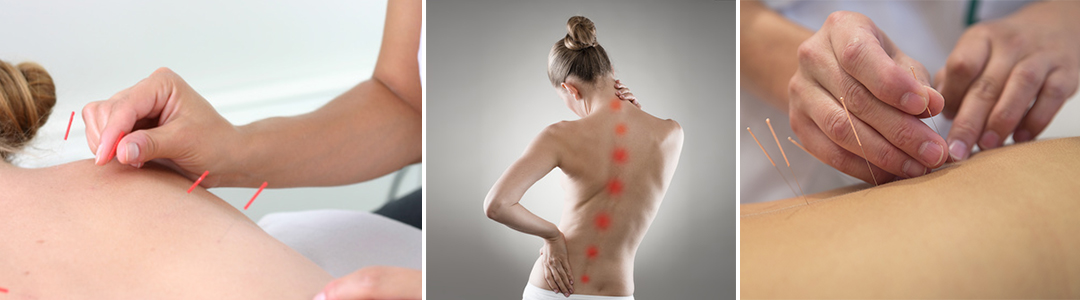
One reason for people to seek the services of an acupuncturist is for the treatment of pain. Up to half of the patients that visit us at the clinic come due to some musculoskeletal pain complaint, namely shoulder/neck pain, back pain, hand/feet pain and headaches. Patients come for 3 to 6 consecutive treatments and find their pain reduced enough for them to do their daily activity unhindered by the pain they originally felt. At which point, patients would only visit the clinic for maintenance sessions either every other week or once a month, occasionally increasing the frequency when needed.
Recent academic studies by the National Institute of Health (NIH)[1] and Journal of the American Medical Association (JAMA)[2] as well as popular publications such as the New York Times [3] all report on the benefits of acupuncture in cases of chronic pain. In these articles, and articles like it, scientists describe how acupuncture affects neural and hormonal reactions in the body to mediate pain in the body.
But how does acupuncture work to reduce pain in the Traditional Chinese Medicine sense? Simple: Acupuncture induces movement. In the two and a half millennia that Chinese medicine has been existing in some shape or form, the words ‘Proper Movement is Life’ underpins virtually all of health giving techniques that Chinese medicine has to offer. The fact that pain, and ultimately death, is a result of malignant non-movement (i.e. stagnation) is a core understanding of all Chinese medicine doctors through time.
Qi (‘Chee’) and Blood are two vital substances in the body that promotes health by its orderly movement and it is the stagnation of these substances that cause pain. In some cases, this stagnation can be likened to what western medicine ‘circulation issues’ causing numbness, tingling, cold hand/feet, muscle tension, fatigue and ultimately pain. As Qi and Blood have nourishing and warming effects, Chinese Medicine also puts weakness and non-vitality of the skin and limbs as symptoms of this issue.
Qi and Blood flows in an internal body system called meridians and collaterals. Meridians and collaterals are similar to the western idea of the ‘circulation system’, but far more than just being a passive system of tubes and vessels, the Chinese Medicine concept of meridians and collaterals is more vital and energetic. It is by observing this system that acupuncturists can diagnose disharmonies that occur deep within the body. And, it is also by observing this system that acupuncturists can treat disharmonies by inserting acupuncture needles to affect the body and move Qi and Blood. Meridians and collaterals serve both to diagnose and treat disharmonies in the body.
Ever wonder why an acupuncturist put some needles in your legs for your back pain or needles in your hands for shoulder pain? It is because the needles far from the pain sites are the in same ‘meridian’ or is complementary to the meridian that traverses your area of pain. It is through the documented research and work of philosophers and practitioners since the Han Dynasty (202 B.C to 220 AD) that allows for this deeper level of understanding on where to place needles to achieve benefits. Simply said, acupuncturists, in effect, influence the rate Qi and Blood that flow locally in this system by stimulating the area of pain with needles. And, through the understanding of channel flow and channel relationships, the local insertion of needles are enhanced by needles inserted in specific areas far away from a local area of pain.
Besides acupuncture, Chinese medicine practitioners have different methods to increase Qi and Blood flow in painful areas, such as Tui Na, Gua Sha, and Ba Guan Fa, commonly known as ‘cupping’. These accessory techniques complement acupuncture treatments in order to move Qi and Blood. These accessory techniques use differing characteristic qualities to promote the movement of Qi and Blood. Namely, Tui Na uses bodywork and compression of specific acupuncture points to stimulate the movement of Qi and Blood; Gua Sha uses scraping of the skin and the inherent function of the skin to disperse stagnation; And Cupping uses the suction of cups to dislodge deep seated Qi and Blood stagnation in order for the body to be able to regain Qi and Blood flow naturally.
Pain is a part of the human condition. It is a sign of the progress of time and change. Pain is also a way for your body to indicate disharmonies, which is inevitable in a system as complex the human body. Acupuncture provides a way to mediate pain and reduce its occurrence safely and effectively.
by Michael Jamlang
[1] https://nccih.nih.gov/health/acupuncture/introduction
[2] http://jamanetwork.com/journals/jamainternalmedicine/fullarticle/1357513
[3] https://well.blogs.nytimes.com/2012/09/11/acupuncture-provides-true-pain-relief-in-study/
by angieng67 | Jul 14, 2017 | Acupuncture, Chronic Disease, Pain, Wellness and Nutrition
What is inflammation?
Inflammation is part of the body’s natural immune response to injury or invasion by what the body perceives as dangerous pathogens that can cause disease. While inflammation can be crucial to the body’s natural healing processes, prolonged or unnecessary inflammation can also wreak havoc on the body, leading to many maladies, such as chronic pain, heart disease, rheumatoid arthritis, asthma, inflammatory bowel disease, auto-immune diseases, certain cancers, and many more.
How Do Drugs Treat Inflammation?
Western medicine does provide treatments for inflammatory conditions, such as anti-inflammatory drugs, like NSAIDS and corticosteriods. These drugs work by suppressing the body’s natural immune response, thus blocking inflammation and reducing pain. While these effects may provide welcomed short term relief, they do not treat the underlying cause of the inflammation, and long term use can lead to some troubling side effects. By blocking the body’s inflammatory response, these drugs can inhibit blood flow to the area of injury, thus cutting off the necessary nutrients that aid in healing. In other words, they can actually interfere with the body’s natural healing process, and in the long term, weaken the tissues. This is why many doctors will often limit cortisone injections to no more than 3 times per year. Additionally, by suppressing the body’s immune system, these types of treatments can open the body up to infections. Patients who receive long term steroid therapy often experience increased susceptibility to a number of infections. These includes many fungal and viral infections that can range from annoying to life-threatening.
How Can Acupuncture Help?
Acupuncture has long been a safe and effective therapy for treating inflammatory conditions, including pain problems and many chronic diseases, like IBD, rheumatoid arthritis, psoriasis, asthma, and many more. Acupuncture can reduce inflammation in the body by affecting the body’s cytokines, which are proteins secreted by the immune system that influence the way cells interact. Certain cytokines promote an inflammatory response, and acupuncture has been shown to reduce pro-inflammatory cytokines and increase anti-inflammatory cytokines. Acupuncture also helps stimulate the release of natural pain killers of the body, or endorphins, to further reduce pain levels. From a Chinese Medicine perspective, inflammation and pain occur when blood and qi, or life energy, gets obstructed and the body is unable to heal. Acupuncture and electro-acupuncture can help to free up the flow of blood and energy, thus allowing the body to heal while reducing pain and inflammation.
How Else Can I Reduce Inflammation?
Besides acupuncture, there are many natural ways to reduce the inflammatory response in the body. These include supplements, dietary changes, and lifestyle changes. Here are a few of our favorite natural ways to help reduce inflammation.
Turmeric – Turmeric is a bright yellow spice that is commonly used in Asian cooking. It contains an anti-oxidant called curcumin, which has been shown in studies to reduce inflammation. Turmeric can be found in many grocery and health food stores. Take it as a supplement, use it as seasoning on savory dishes, or make a turmeric tea.
Omega 3s – Omega 3 fatty acids, particularly EPA and DHA, have been shown to reduce inflammation in the body and thus can be helpful for many chronic diseases, like heart disease, arthritis, autoimmune disease, inflammatory skin diseases, and many more. Additionally, omega 3s are helpful for improving functions of the brain and nervous system. You can get omega 3s through supplements or from many food sources. When choosing a supplement, look for one that contains EPA and DHA for their more potent anti-inflammatory effect. Foods rich in omega 3s include fatty fish, like salmon, sardines, and herring. Plant based sources of omega 3s include olive oil, raw nuts, and flax seeds.
Anti-inflammatory diet – An anti-inflammatory diet is, simply put, a diet that is low in inflammatory foods and high in anti-inflammatory foods. Unfortunately, the typical Western diet includes many inflammatory foods. Examples of inflammatory foods are processed foods (fast foods, most packaged foods, soft drinks, microwave meals), bad fats (most animal fats, fried foods, high fat dairy foods like ice cream), processed sugar (baked goods, soft drinks, condiments like ketchup). Avoiding inflammatory foods can significantly decrease your risk of many chronic inflammatory diseases. Conversely, anti-inflammatory foods can significantly reduce your risk of many chronic diseases. An anti-inflammatory diet includes mostly whole (non-processed) foods, foods high in fiber (oatmeal, black beans, many vegetables like broccoli, bran) and good fats (omega 3 rich foods mentioned earlier), and a lot of fruits and vegetables.
Stress management – Studies show that chronic stress can increase and activate immune cells entering the blood stream, thus leading to increased inflammation. Therefore, stress management plays a very critical role in helping to control inflammation in the body. Acupuncture is a great natural and effective way to treat stress and anxiety. Some other methods of stress reduction include moderate exercise, meditation, yoga, and diaphragmatic breathing. Stay tuned for our upcoming blog on stress management.
by Angie Ng, L.Ac.