Acupuncture and Other Healthy Ways to Conquer Stress and Anxiety
Stress and Modern Living
As many of us juggle work, family, and personal obligations, stress becomes commonly accepted as a factor of day to day life. Any time we spend dealing with demanding or adverse circumstances, we enter a state of mental, emotional, and/or physical strain. When we are healthy and the stress is short-lived, we are usually able to recover from stressful situations relatively unscathed. However, if stress and anxiety are prolonged and/or coupled with other emotional or physical disruptions, they begin to have serious consequences on our overall well-being.
Stress served as an important survival trait during our hunter gatherer days. It affects the sympathetic nervous system, which initiates the instinctive “fight or flight” response when we are met with a dangerous or stressful situation. On a physical level, this response causes some dramatic temporary physical changes, such as increased heart rate, increased blood circulation, increased oxygen intake, dilation of pupils, and shutdown of digestive functions – all designed to enable us to either flee or combat a perceived danger for survival.
Unfortunately, this response by our sympathetic nervous system does not fit as well into modern living, where most of our stressful situations are met at home or at work. Unlike in our cave-dwelling days, stressful situations tend to be more long-term and cannot usually be resolved by fleeing or fighting. As a result, levels of cortisol, the body’s natural stress hormone, become elevated, resulting in high blood pressure, increased abdominal fat, increased blood sugar, lowered immune function, and decreased cognitive performance. Over time, this can cause long-term disruptions to our physical and mental health such as fatigue, depression, digestive issues, sleep problems, weight gain, fertility issues, headaches, and other pain problems. Emotionally, the body reacts to stress with feelings of anxiety, uneasiness, and nervousness.
Acupuncture for Stress and Anxiety
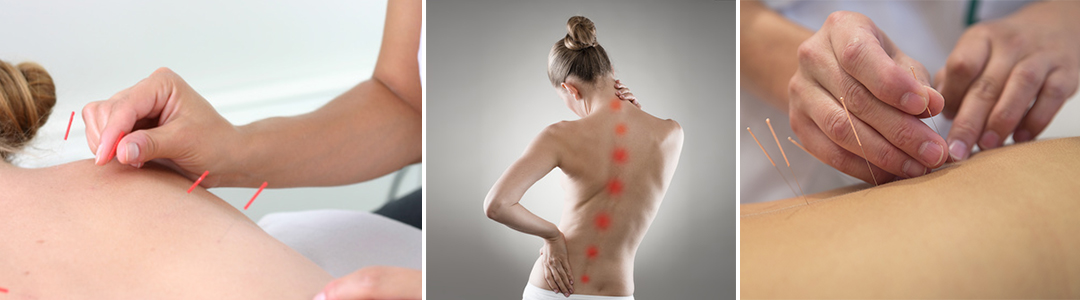
In Traditional Chinese Medicine, physical and emotional imbalances are closely linked in the sense that one type of imbalance can cause or exacerbate the other. Prolonged disruptive emotions like stress and anxiety cause obstructions in the natural flow of energy in the body, which can cause pain and illness. For example, chronic stress often manifests itself with muscle tension and pain in the upper back and neck, often also leading to headaches. Physical pain often leads to even more anxiety, resulting in a perpetuating cycle of imbalance.
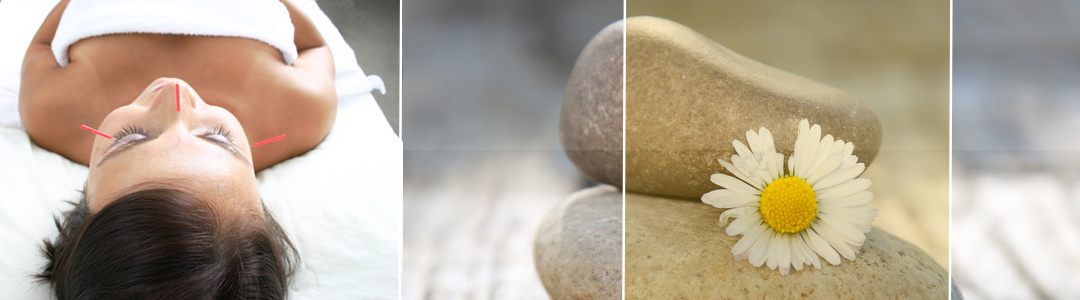
Acupuncture combats stress by breaking this cycle of imbalance. It does this by freeing up the obstructions in the flow of energy and thereby restoring natural balance to the body. This not only helps to alleviate the physical manifestations of stress, such as pain, digestive disorders, and sleep issues, but it also directly combats the emotional strain that stress brings. In our practice, patients often feel a sense of calm and well-being immediately even after the first session. Many report sleeping more deeply and restfully than they have in a long time.
From a scientific perspective, acupuncture helps to alleviate stress by causing the body’s nervous system to release natural chemicals, such as serotonin and endorphins, in the brain and body. These chemicals act as pain-killers and relaxants, which have a calming effect on the body. The calming effect of acupuncture decreases heart rate, lowers blood pressure and relaxes the muscles, thus alleviating many of they physical issues associated with stress. Acupuncture stimulates the parasympathetic nervous system, which can be viewed as the opposite of the part of the nervous system that initiates the “fight or flight” response. In fact, people often feel an almost immediate decrease in stress and anxiety when receiving acupuncture as their nervous system goes into parasympathetic, or “calm and connect”, mode.
Other Healthy Ways to Reduce Stress and Anxiety
In addition to acupuncture, there are many other natural and healthy ways to combat stress. Listed below are some of our favorite ways to manage stress and decrease anxiety.
Moderate Exercise – Moderate amounts of exercise can increase the body’s feel-good hormones, like endorphins. This can bring about a greater sense of calm, well-being, and self confidence. Exercise can also improve your sleep, which not only decreases stress and anxiety, but also boosts overall health. Some particularly great stress busting forms of exercise are yoga, pilates, tai-chi, weight training, and dancing. Be careful about getting too much of a good thing, however. Over exercising can be counterproductive. Frequently exercising to the point of exhaustion or pain can put increased stress on the body, and cause the body to release more stress hormones, like cortisol.
Deep Abdominal Breathing – Deep abdominal breathing, also known as diaphragmatic breathing, can be a quick and easy way to reduce feelings of stress and anxiety by stimulating the parasympathetic nervous system, or “calm and connect” response. Do this breathing by inhaling deeply and slowly through the nose into the lower abdomen and exhaling slowly through the mouth. The belly should rise on the inhalation and collapse on the exhalation. This can decrease heart rate, lower blood pressure, and help bring about a sense of calmness. Deep abdominal breathing can be combined with meditation for even greater relaxation.
Meditation – Meditation, especially when practiced regularly, can help reduce stress and anxiety by bringing about a sense of peacefulness and balance. When meditating, try to clear the mind of clutter by focusing on nature sounds, soft music, a soothing voice (guided meditation), or nothing at all. By taking a break from the information overload that we experience on a daily basis, meditation can help bring more clarity, self-awareness, and reduction in negative thoughts. Those who do not have much experience with meditation often find it helpful to start by listening to a voice that guides them through a meditation. Our favorite guided meditation apps include Head Space and Calm.
Dietary Changes – Certain foods can boost calming brain chemicals, like serotonin, and help lower blood pressure. On the other hand, others can increase stress hormones, like adrenaline and cortisol, and increase blood pressure. Sometimes, simple dietary modifications can have a significant impact on stress and anxiety levels. Examples of stress busting foods include whole grains, foods rich in healthy fats (almonds, cashews, avocados, wild salmon), and foods rich in magnesium (spinach and other leafy greens). Foods to be avoided include foods containing processed sugar (cookies, cakes, ice cream), excessive caffeine, excessive alcohol, and simple carbs (french fries, chips, sweets).
Massage – Like exercise and acupuncture, massage can help the body release endorphins, which can initiate a sense of well-being and relaxation. It can also increase blood circulation and relax the muscles. This can in turn reduce pain, lower blood pressure, and decrease heart rate.